

Dietes bicolor — Iris Sud africain
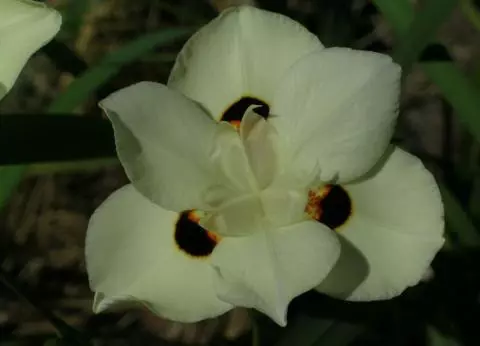
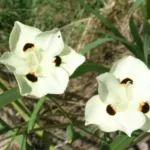
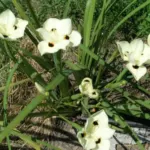
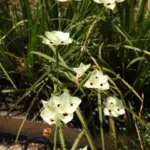
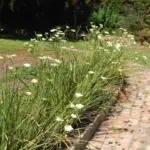
Its natural habitat in the Eastern Cape (South Africa) is near streams and in marshy areas. The lightgreen foliage of mature plants will reach up to 120 cm high and make superb border plantings along pathways. Once well established, D. bicolor becomes quite drought resistant and the attractive pale yellow flowers appear throughout the summer. D. bicolor is the most hardy of the three species on offer. Its establishment is not very easy. To help the first new roots to emerge, it is advised to store the rhizomes in water. Humidify the plants regularly during the first year.
The genus
These "South African Iris" come from the eastern part of South Africa, they have decorative evergreen foliage and make ideal border plants in halfshaded protected positions.In the milder regions they can be planted in the autumn and late winter early spring elsewhere. Establishing the clumps will take at least 1-2 years after which they will then begin to flower throughout the summer months.
- Family :Iridaceae
- Common name :Iris Sud africain
- Native to :Afrique du Sud (Cap E)
- Native climate :sub tropical (regular rainfall)
- Colour :Yellow
- Hardiness :good
- Exposure :half-shade, full sun
- Storage organ :rhizome
- Growth :evergreen
- Flowering height :100-150 cm
- Uses :Borders - Humides places - In the ground
Growing cycle
| Jan | Feb | Mar | Apr | May | Jun | Jul | Aug | Sep | Oct | Nov | Dec | |||||||||||||||||||||||||||||||||||||
|---|---|---|---|---|---|---|---|---|---|---|---|---|---|---|---|---|---|---|---|---|---|---|---|---|---|---|---|---|---|---|---|---|---|---|---|---|---|---|---|---|---|---|---|---|---|---|---|---|
| Planting | ||||||||||||||||||||||||||||||||||||||||||||||||
| Growth | ||||||||||||||||||||||||||||||||||||||||||||||||
| Flowering | ||||||||||||||||||||||||||||||||||||||||||||||||